Today was another “mommy field trip” day. I went with 16 other parents from my daughter’s school to the Clara Maria Cheese Farm & Clog Factory in Amstelveen. It was only about 30 minutes from our house and it was so fun, even for a non-cheese eating person such as myself.
The farm is run by a husband and wife team, and a group of dedicated staff. The husband is Dutch and the wife American, so they easily communicate in English, Dutch, and German.
The farm has good sized herd, with about 50 producing milk at any given time. We even got to meet a four-day old calf, in the middle picture below.
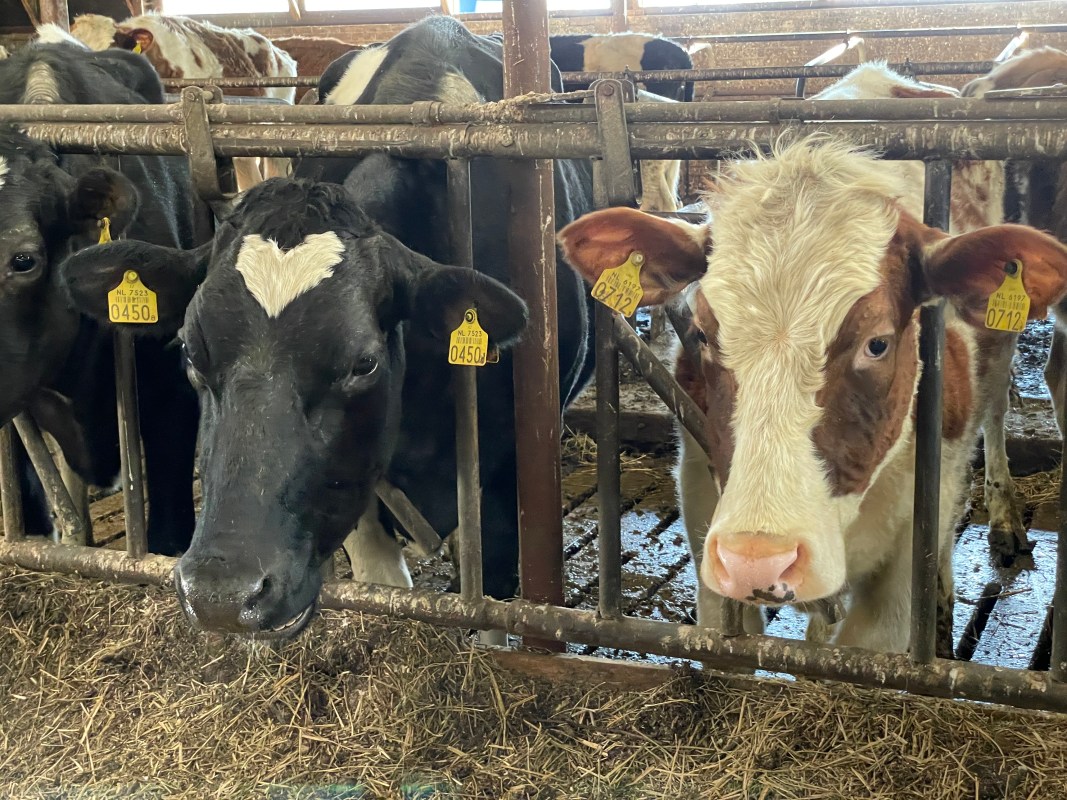
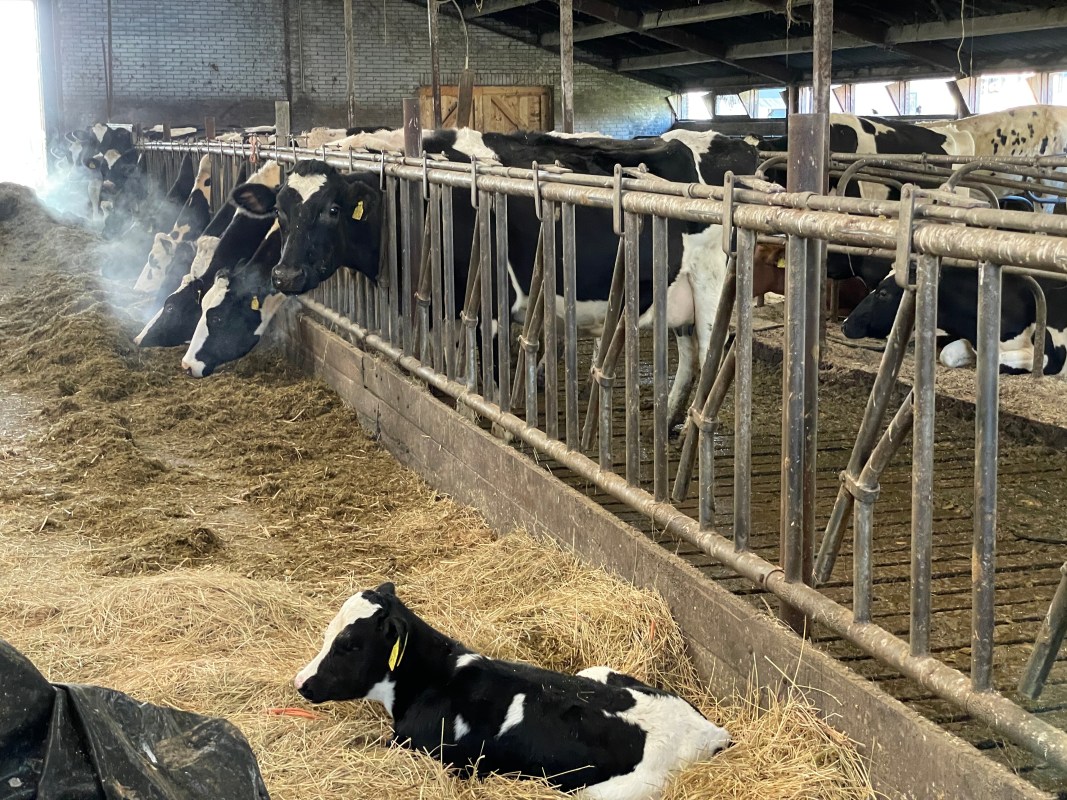
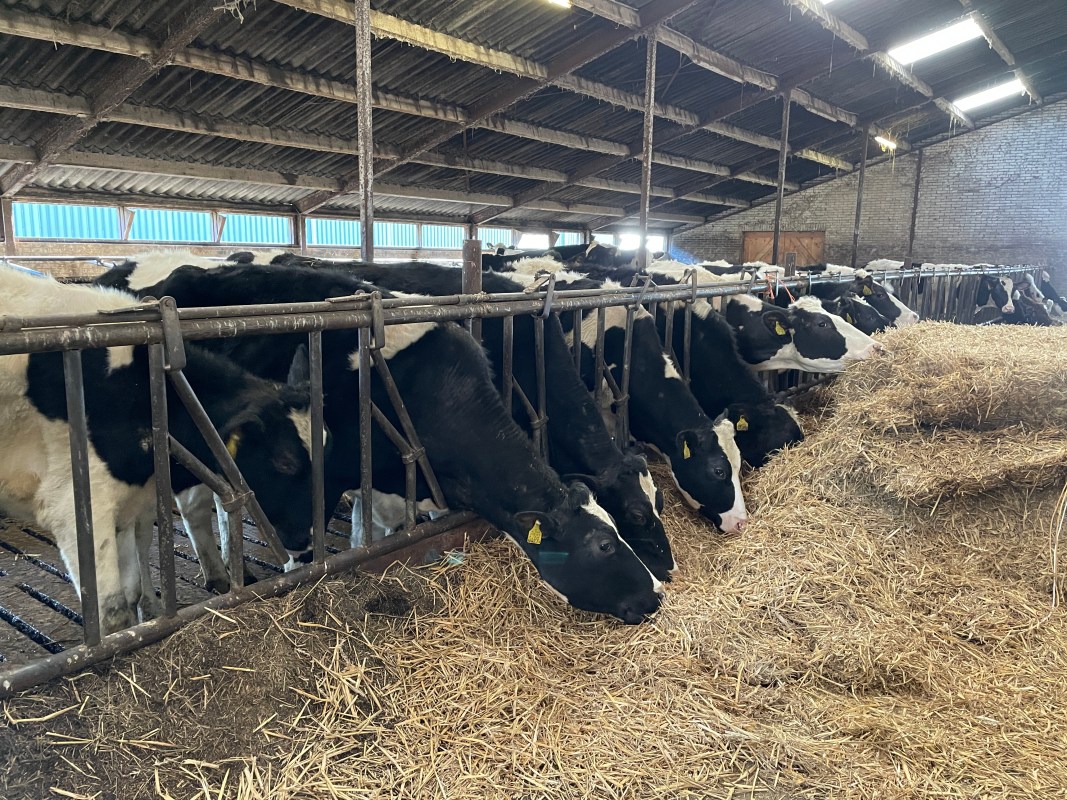
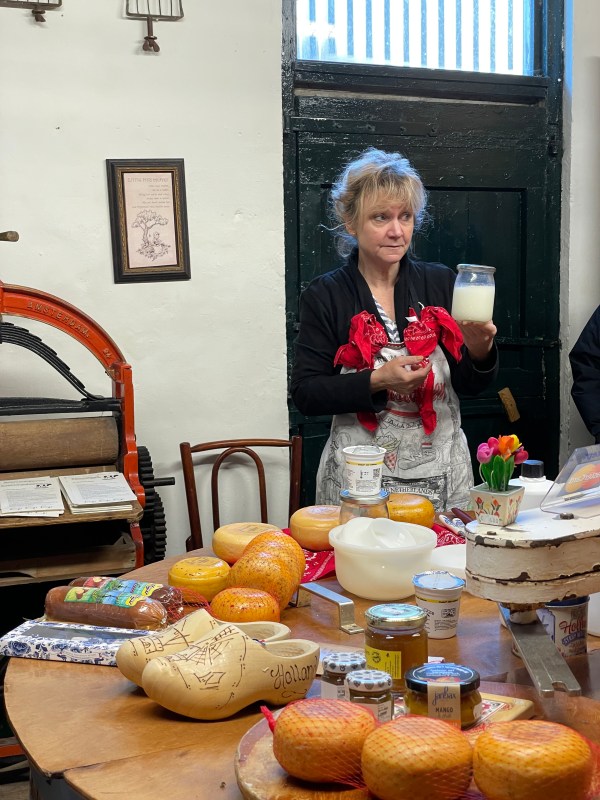
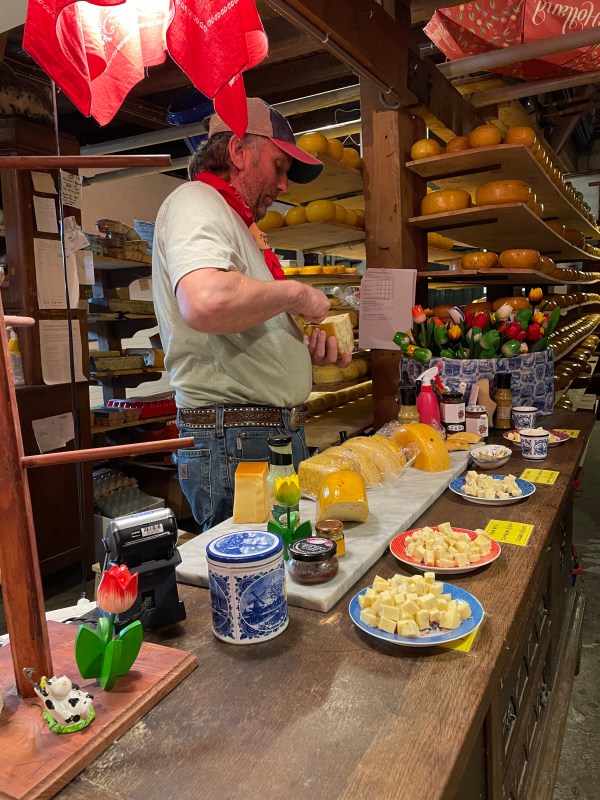
The cows are milked twice a day, producing about 600 liters of raw milk. The milk is pumped from the barn to the milk room, where they make the cheese. It takes about 10 liters of milk to produce one kilogram of cheese. At this farm they produce full fat gouda, which means none of the milk solids or butter are removed during the production. The gouda can be flavored with numerous herbs. Once the paraffin coating is applied to the cheese, it can be stored indefinitely without refrigeration. Over time the cheese will “sweat” meaning moisture will leave the cheese, resulting in aging.
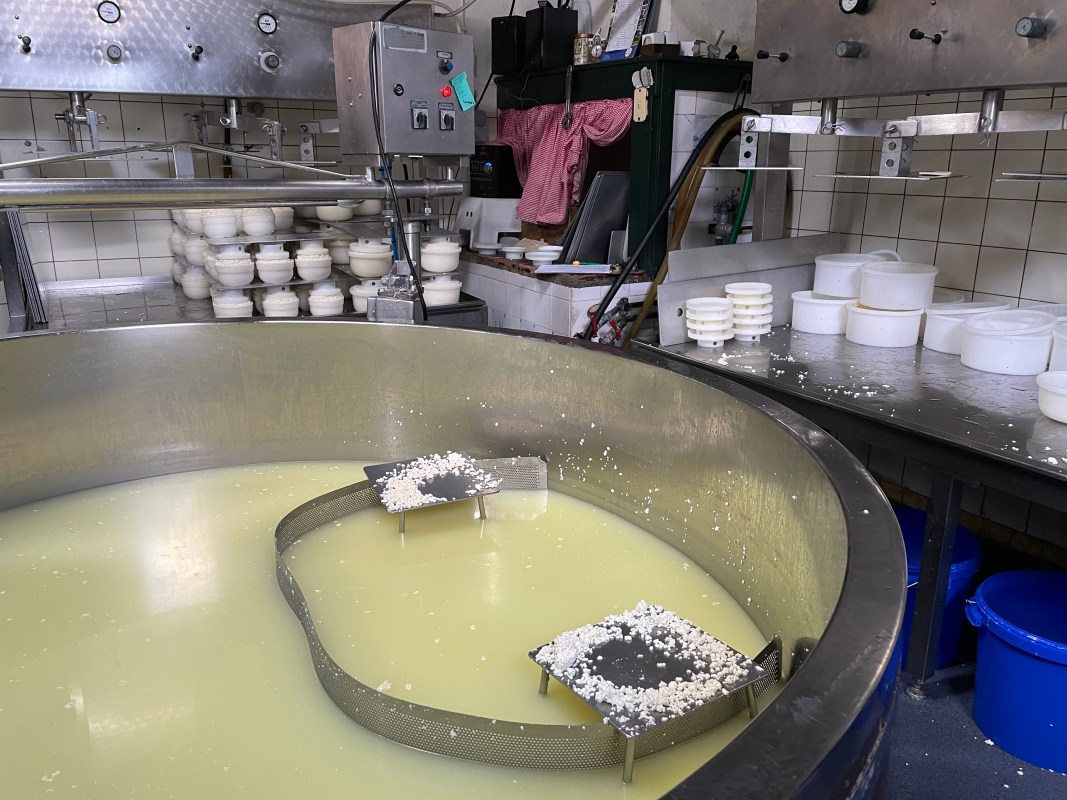
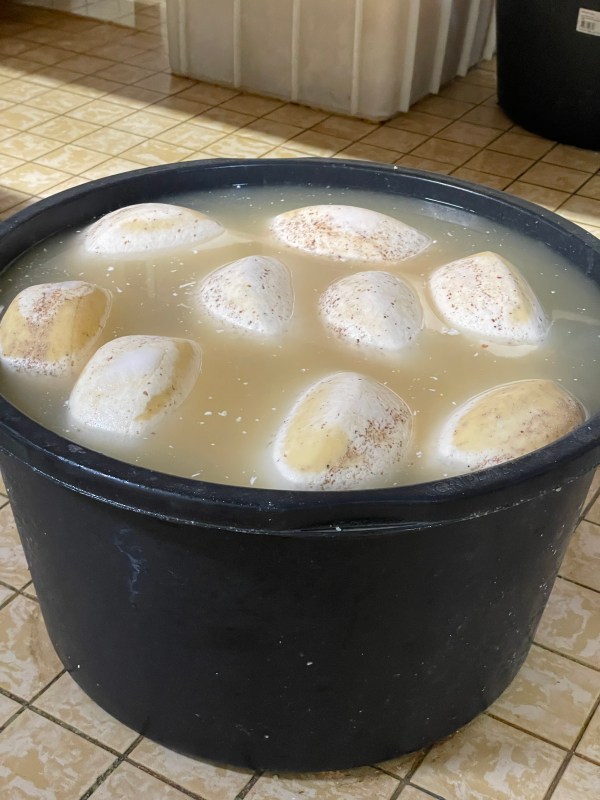
We got a chance to make our own kilogram of cheese. The first step was collecting curds and pressing them into the cheese mold. Once we squeeze some of the water out, we flipped it over and put it back into the form, squeezing it again and adding a label to the cheese. Each cheese was numbered and we were able to purchase our specific cheese at the end. After our cheese was formed, it was placed under a press, where it stayed for several hours. Tonight it will go into a salt bath for 24 hours and then the final step will be painting it with paraffin wax. Because we made plain gouda, our cheese will need four layers of wax, one layer is applied per day, varieties with herbs can require up to six layers. Our cheeses will then be ready for pick up in about two weeks.
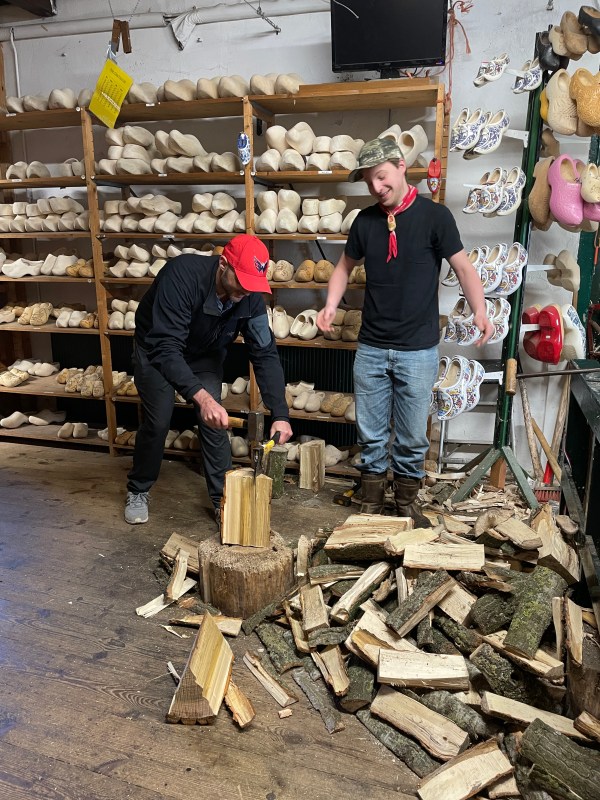
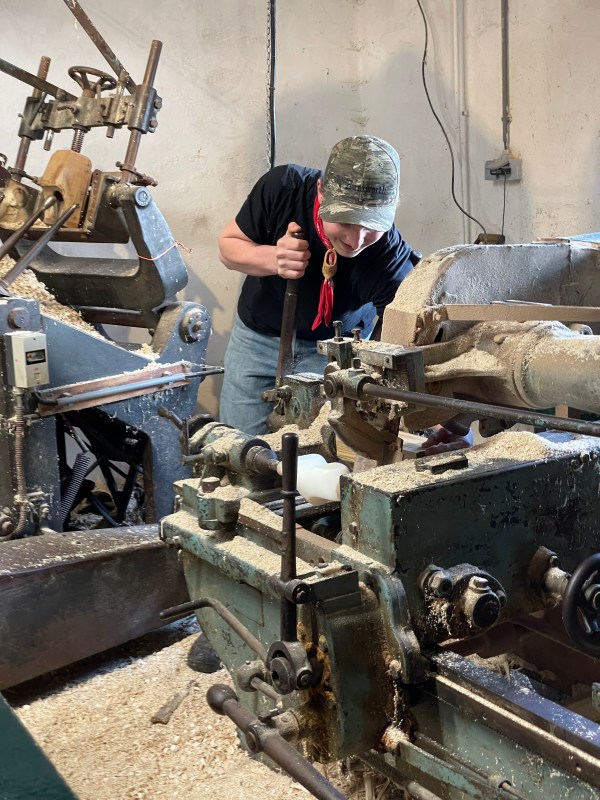
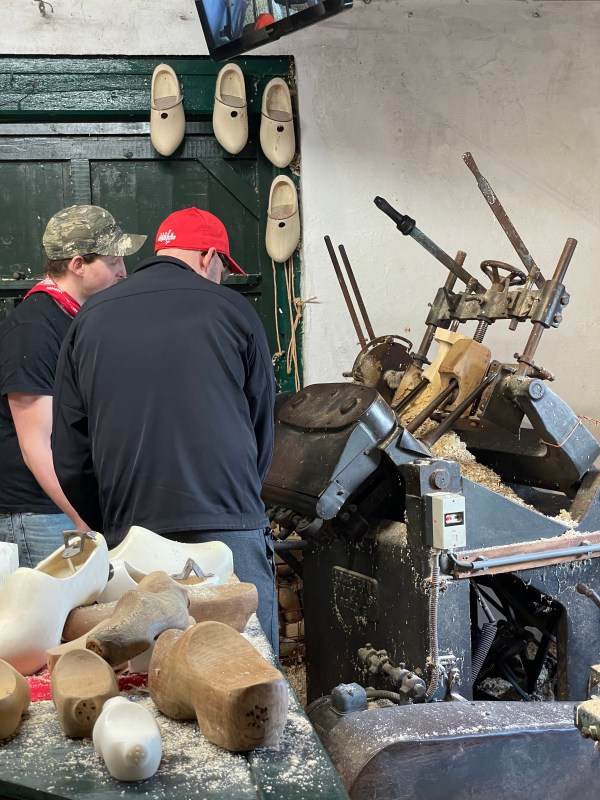
Next up, we learned how to make clogs. The clogs start with poplar wood, which is soft, plentiful in The Netherlands, and moist – making it easier to shape. A block of wood was cut the length and width needed for the clog. Then the block went to the copying machine. The machine itself is more than 100 years old and it does just what it says, copies an established shape and carves the block to match. It really is a kind of lathe. Then the shoe form is moved to a second machine that is used to cut the hole on the inside for your foot. This is also a copying method, but the copying is manual. It reminded me of playing a video game. Your sample shoe is on one side and then you move the drill bit around the inside, copying the shape which is transferred to the new shoe.
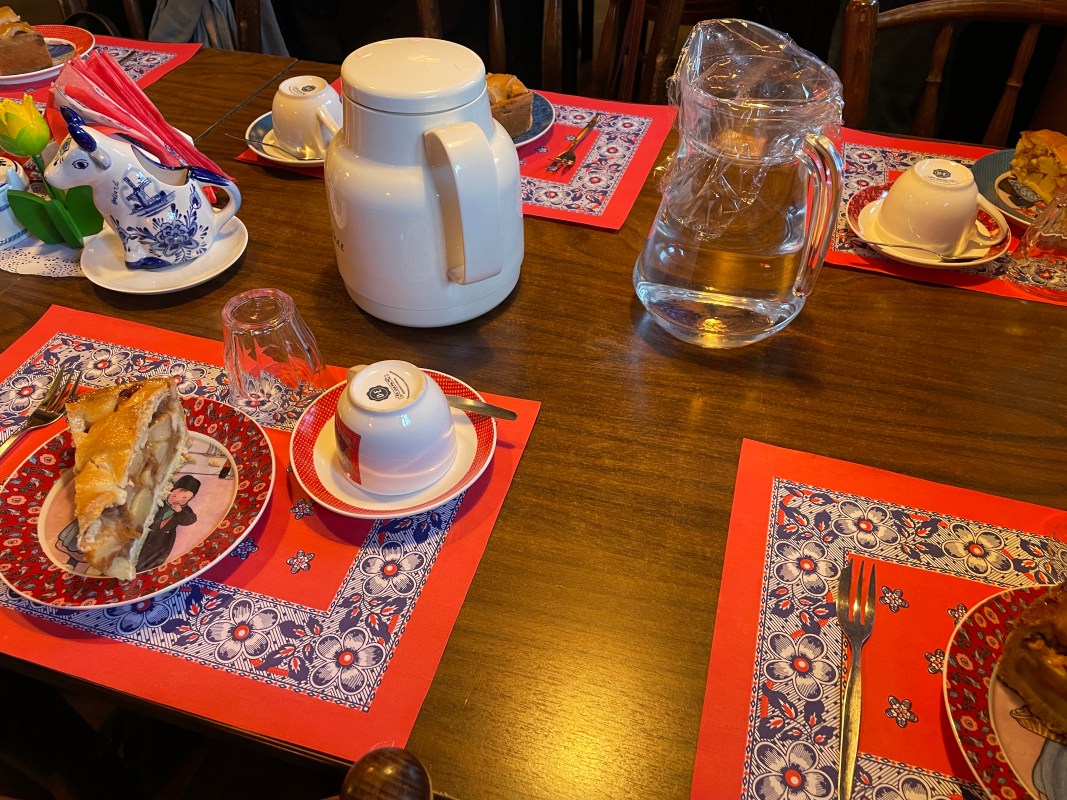
And then like all good Dutch outings, we ended our visit with apple pie, tea and coffee.
 Red, White and Tulips